Something happens almost every day at work, although we don’t always notice it.
We see a faster way to perform a task.
We think, “This could be done better”… but we carry on the same way, because “it’s not that serious,” because we’re in a hurry, because it’s not the right moment.
And little by little, dozens of opportunities to improve slip away.
Continuous improvement doesn’t start with big projects or external consultants.
It begins in those small day‑to‑day moments when we decide not to settle for “this is how it’s always been done.”
Small improvements that add up to big changes
In our work environment, we constantly identify opportunities to improve.
Some are “small” —but meaningful— and others can become large projects requiring more investment and people involved. Both pursue the same goal: achieving better results.
Today we want to talk about the small improvements.
The ones that don’t appear in strategic presentations but, when added together, change the way we work.
In Japan there is a concept for this: Kaizen (改善), which means continuous improvement.
Its philosophy is simple and powerful: small changes, sustained over time, generate great transformations.
That’s the key. It has become a philosophy of life, meaning that continuous improvement does not depend solely on “experts” or large plans.
It depends on attitude (yes, with a capital “A” 😉), common sense, and the genuine desire to work better, be more productive, and build more harmonious spaces.
Spaces that, in the end, also impact our emotional well‑being.
The most common mistake: improving only when there is a crisis
In many organizations, continuous improvement is activated as if it were an emergency button:
when there are delays, operational failures, or costs out of control.
cuando hay retrasos, fallos operativos o costes fuera de control.
A team is assembled, the problem is corrected…
and then everything returns to “normal.”
And that’s where the problem lies.
Continuous improvement is not a one‑time project.
It is not a quarterly initiative.
It is not something that is done “when there’s a fire.”
Continuous improvement is a way of working.
Organizations that scale sustainably are not those that run big improvement projects occasionally, but those that:
- Observe their processes every day
- Detect small deviations
- Adjust quickly
- Learn from mistakes
- Standardize what works
That is not a project.
That is culture.
Living processes, not dead documents
A well‑designed process is useless if it remains stored in a shared folder.
Continuous improvement happens when the process:
- Is used
- Is measured
- Is questioned
- Is improved
- Is used again
A “living” process evolves with operations.
A “dead” process only exists for the sake of existing.
But… what does continuous improvement look like in practice?
Working with continuous improvement means very concrete things, for example:
- • That teams ask themselves:
👉 Could this be done better? - That leaders promote small but constant adjustments.
- That deviations are not hidden — they are analyzed.
- That mistakes are seen as learning opportunities, not failures.
And it starts with something as simple as organizing your workspace.
Not just your physical desk — also your digital files, folders, and access points.
Clearing your spaces brings mental clarity and makes you more efficient when retrieving information.
Does it sound trivial?
Think of something simple: you leave the house in a hurry and can’t find your car keys.
Your stress goes up, you lose time, you get frustrated…
Now imagine that happening every day at work, but with processes, files, or information.
Continuous improvement doesn’t require big budgets.
It requires daily discipline.
Why is this critical in complex operations?
In demanding environments —such as fleet management across multiple bases and countries— small errors multiply quickly:
- A poorly defined charging process generates downtime.
- A deviation in maintenance affects fleet availability.
- A poorly applied standard impacts costs and safety.
Here, continuous improvement is not “nice to have.”
It is a condition for sustainable operations.
The role of process teams
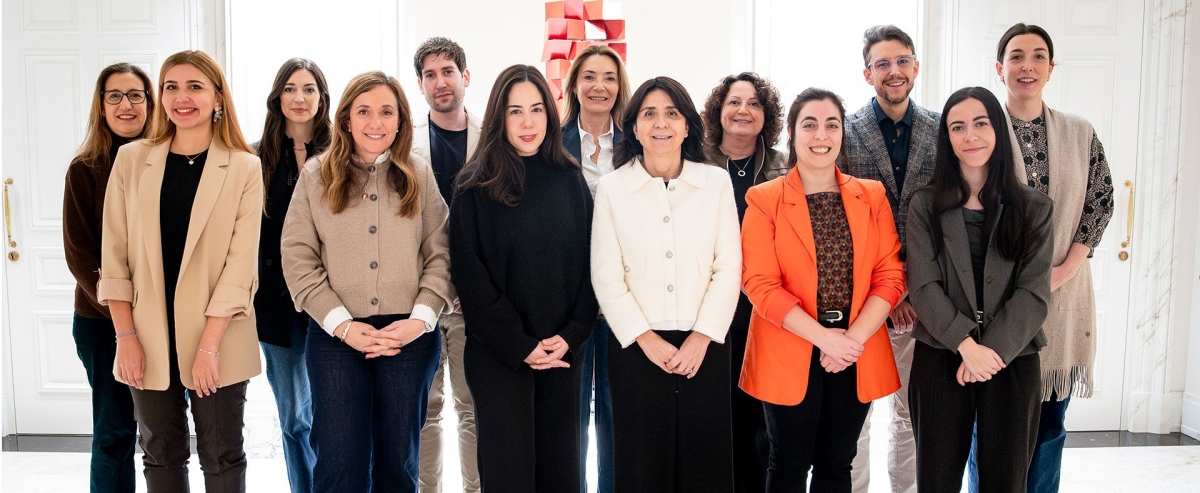
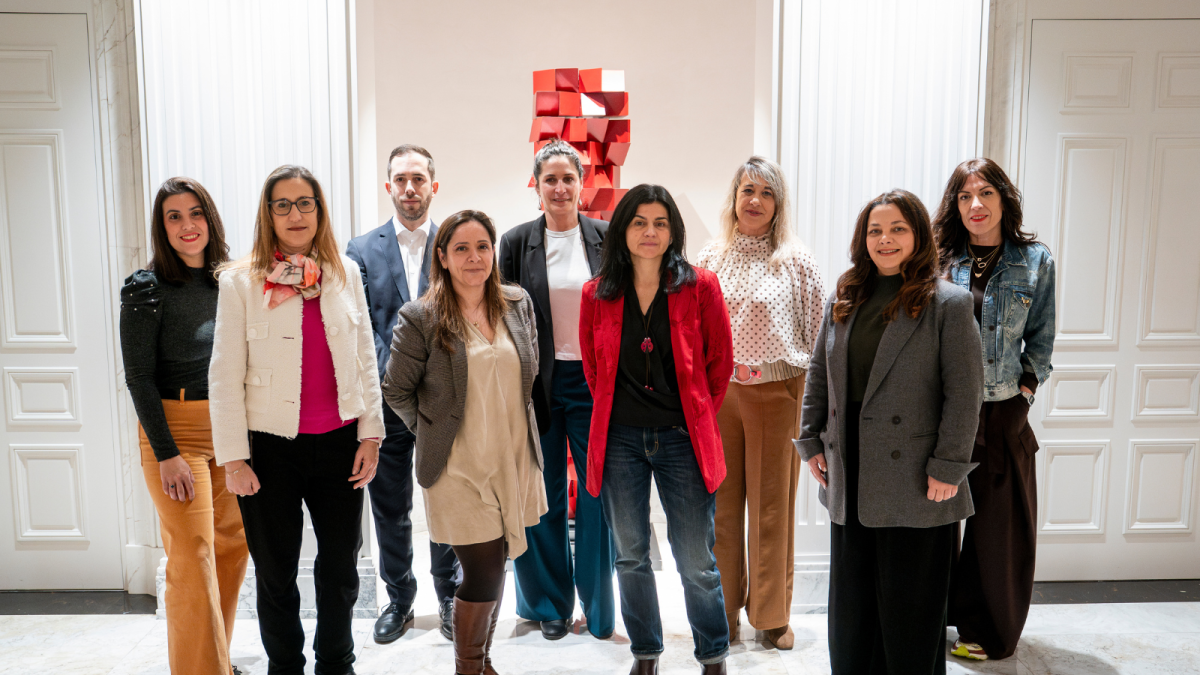
Process and continuous improvement teams exist to help work flow better.
Their role is to connect strategy with daily operations, translating objectives into clear and efficient ways of working.
They provide method, structure, and support so improvements don’t remain ideas, but become real practices sustained over time.
In practice, this translates into:
- Designing better ways of working
- Supporting operations in execution
- Ensuring processes are followed
- Facilitating organizational learning
Continuous improvement does not happen on its own. And above all, it is built together.
Remember:
Organizations that truly grow are not the ones with the most improvement projects,
but the ones that work better every day.
Because in the end, continuous improvement is not something that is launched…
it is something that is lived.
What small improvement can you make today in your daily work?
Process Design & Improvement Team